


Do You Need an Immigration Waiver? Explore Your Available Options in 2026

Updated: Sep 28
Introduction
Discovering that a prior immigration issue, a period of unlawful presence, or a decision made in the past may affect a visa or lawful permanent residence application can be a stressful experience for many individuals and their families. Fortunately, under certain circumstances, U.S. immigration law allows individuals to seek an immigration waiver to overcome specific grounds of inadmissibility and continue with the immigration process.
However, not everyone needs a waiver, and not every situation qualifies for one. Understanding who may require an immigration waiver, what the most common options are, and which factors can influence an application is essential for making informed decisions and avoiding mistakes that could delay or complicate an immigration case.
In this guide, we will explain who may need an immigration waiver, the main options available, and the key factors that should be considered before beginning the process.
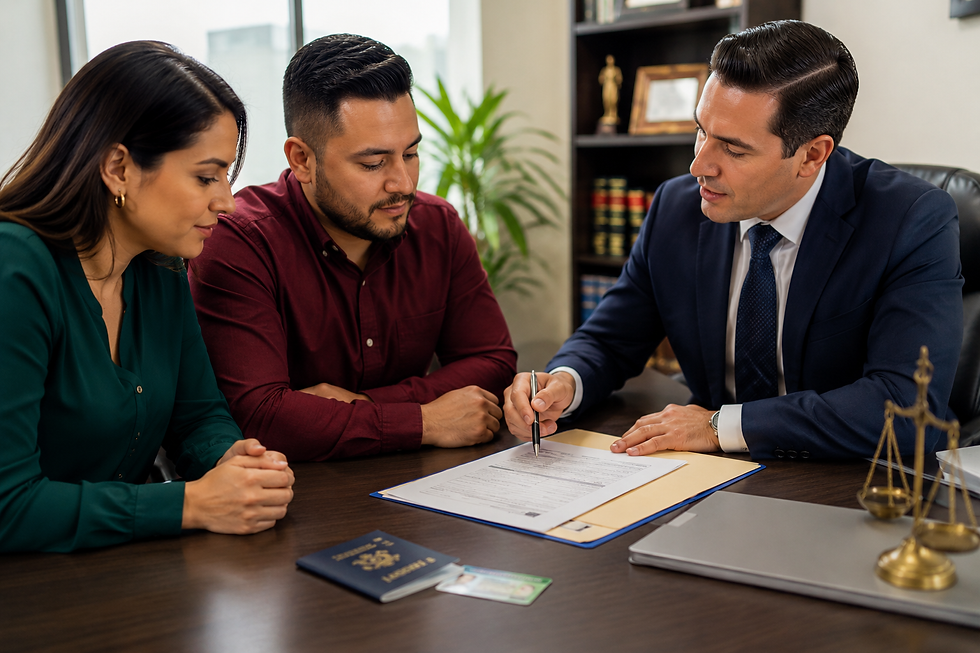
What Is an Immigration Waiver?
An immigration waiver is a request filed with USCIS to ask that certain grounds of inadmissibility be forgiven, allowing an individual to continue pursuing a visa or lawful permanent residence.
Inadmissibility can arise for a variety of reasons, including periods of unlawful presence, certain criminal convictions, misrepresentations, or other complex immigration issues. In some situations, immigration law provides a path to request a waiver; in others, the restrictions may be more severe or even permanent.
It is important to understand that an immigration waiver does not automatically erase the underlying issue. Rather, it provides an opportunity to demonstrate that, based on the specific circumstances of the case, the applicant should be allowed to move forward with the immigration process.
Additionally, each type of waiver has different requirements, and not all grounds of inadmissibility are waivable. For this reason, correctly identifying the immigration issue is one of the most important steps before beginning any application.
Who May Need an Immigration Waiver?
There are several situations that may give rise to the need for a waiver. Some of the most common include:
Accruing unlawful presence in the United States.
Having been previously deported or removed.
Certain criminal convictions.
Fraud or misrepresentation cases.
Prior immigration violations.
Other grounds of inadmissibility established by law.
Many individuals discover they need a waiver during a consular interview, after receiving a notice from USCIS, or while consulting with an immigration attorney to evaluate their available options.
Depending on the circumstances, a person may require a single waiver or even multiple waivers to address different immigration issues.
Main Types of Immigration Waivers
Form I-601: Waiver of Certain Grounds of Inadmissibility
Form I-601, Application for Waiver of Grounds of Inadmissibility, is one of the most commonly used waivers in the U.S. immigration system. This form may be used to request forgiveness for certain grounds of inadmissibility, including some cases involving immigration fraud, certain criminal convictions, and other issues recognized under immigration law.
In many cases, applicants must demonstrate that the denial of the immigration benefit would result in extreme hardship to a qualifying relative, such as a U.S. citizen or lawful permanent resident spouse or parent. Supporting documentation and evidence play a critical role in these cases.
However, filing Form I-601 does not guarantee approval. USCIS reviews each application individually and considers multiple factors before issuing a decision.
Form I-601A: Provisional Unlawful Presence Waiver
Form I-601A, also known as the Provisional Unlawful Presence Waiver, is primarily intended for individuals who have accrued unlawful presence in the United States and must complete their immigrant visa process through a consular interview abroad.
One of the primary advantages of this process is that it allows applicants to request a waiver before leaving the United States, helping to reduce family separation and providing greater predictability during the consular process.
However, it is important to note that Form I-601A only addresses unlawful presence. If other grounds of inadmissibility exist, additional applications or alternative immigration strategies may be required.
Form I-212: Permission to Reapply for Admission
Individuals who have previously been deported or removed may need to file Form I-212, Application for Permission to Reapply for Admission into the United States.
Unlike other waivers, Form I-212 is not technically a waiver of inadmissibility. Instead, it is a request for permission to seek admission to the United States again after a prior deportation or removal.
Depending on the applicant's immigration history, this form may be filed on its own or in combination with Form I-601 or Form I-601A.
Special Situations That May Require More Than One Waiver
Some immigration cases are particularly complex and may require the filing of multiple applications.
For example, a person who was previously deported and also accrued unlawful presence may need both Form I-212 and either Form I-601 or Form I-601A. Similarly, cases involving immigration fraud and other grounds of inadmissibility may require a more comprehensive strategy.
Because every case is unique, an individualized assessment is essential to determine what options may be available and to avoid mistakes that could negatively affect the outcome.
Common Mistakes When Applying for a Waiver
Applying for an immigration waiver can be a complex process, and mistakes may result in delays or even denials. Some of the most common errors include:
Assuming that everyone qualifies for a waiver.
Failing to provide sufficient evidence to establish extreme hardship.
Confusing the requirements of Form I-601 with those of Form I-601A.
Overlooking other possible grounds of inadmissibility.
Submitting incorrect forms or inconsistent information.
Beginning the process without fully understanding the applicant's immigration history.
Because every case is different, a well-planned strategy and a thorough evaluation can be essential in identifying the most appropriate options.
When Should You Seek Legal Guidance?
Immigration waivers often involve a detailed review of immigration history, criminal records, consular processing, and supporting documentation. For this reason, many individuals choose to consult with an immigration attorney before filing an application.
Legal guidance may be especially important in cases involving prior deportations, allegations of immigration fraud, multiple entries into the United States, or situations that may require more than one waiver.
An individualized assessment can help determine which options may be available and reduce the risk of mistakes that could affect the outcome of the case.
Frequently Asked Questions
1️⃣ Does everyone with unlawful presence need an immigration waiver?
Not necessarily. Whether a waiver is required depends on the immigration benefit being sought and the specific facts of the case.
2️⃣ Does Form I-601A guarantee Green Card approval?
No. Approval of the provisional waiver does not automatically guarantee approval of lawful permanent residence. Other factors may affect the final outcome of the case.
3️⃣ Can I apply for a waiver if I was previously deported?
Depending on the circumstances, some individuals may be eligible to file Form I-212 and, in certain situations, combine it with other immigration waivers.
4️⃣ Which relatives qualify for purposes of establishing extreme hardship?
In many cases, qualifying relatives may include a U.S. citizen or lawful permanent resident spouse or parent. Eligibility requirements vary depending on the type of waiver involved.
5️⃣ Is it possible to need more than one immigration waiver?
Yes. Some individuals may require a combination of forms to address multiple grounds of inadmissibility.
6️⃣ How long does an immigration waiver take in 2026?
Processing times vary depending on the type of application and USCIS workload. It is always advisable to review the most current information before beginning the process.
7️⃣ ❓ What happens if USCIS denies a waiver?
A denial does not necessarily mean the end of the case. Depending on the circumstances, other immigration options or the possibility of refiling may be available.
Conclusion
An immigration waiver can provide an important opportunity for individuals facing certain grounds of inadmissibility. However, eligibility requirements and legal standards vary significantly depending on the facts of each case.
Understanding the differences between the various types of waivers, correctly identifying immigration obstacles, and avoiding common mistakes are essential steps in developing an effective strategy and improving the likelihood of success.
About Viktor De Maio

Viktor De Maio is an experienced immigration attorney dedicated to helping individuals and families navigate complex U.S. immigration matters. Through De Maio Law, he represents clients before USCIS, Immigration Courts, and the Board of Immigration Appeals (BIA), handling family petitions, adjustment of status, waivers, asylum cases, deportation defense, Cuban Adjustment Act matters, and appeals.
An Immigration Obstacle Does Not Have to Define Your Future
Needing an immigration waiver does not necessarily mean that a person has lost the opportunity to obtain a visa or lawful permanent residence. Every case is different, and understanding the available options can be the first step toward developing the right immigration strategy.
With accurate information and an individualized evaluation, many individuals and families are able to find solutions and continue pursuing their goals in the United States.
📍 De Maio Law301 Almeria Ave, Suite 330Coral Gables, FL 33134
📞 Phone: (786) 232-9120
📱 WhatsApp: (786) 440-1672


Comments